
Introduction
The asylum process in Europe can be complex and overwhelming. However, with the right information and appropriate support, refugees can navigate this path with greater hope and confidence. This article will help you understand the various asylum processes and find ways to ease this journey.
Understanding the Asylum Process
Firstly, it is important to understand that the asylum process may vary from one European country to another. Generally, the process includes the following stages:
- Application Registration: The first step for any refugee is to register their asylum application. This typically involves providing personal information and explaining the reasons for seeking asylum.
- Interview: After registration, the refugee is invited for an interview to provide more details about their circumstances.
- Review and Decision: Following the interview, the relevant authorities review the application and make a decision.
Main Challenges
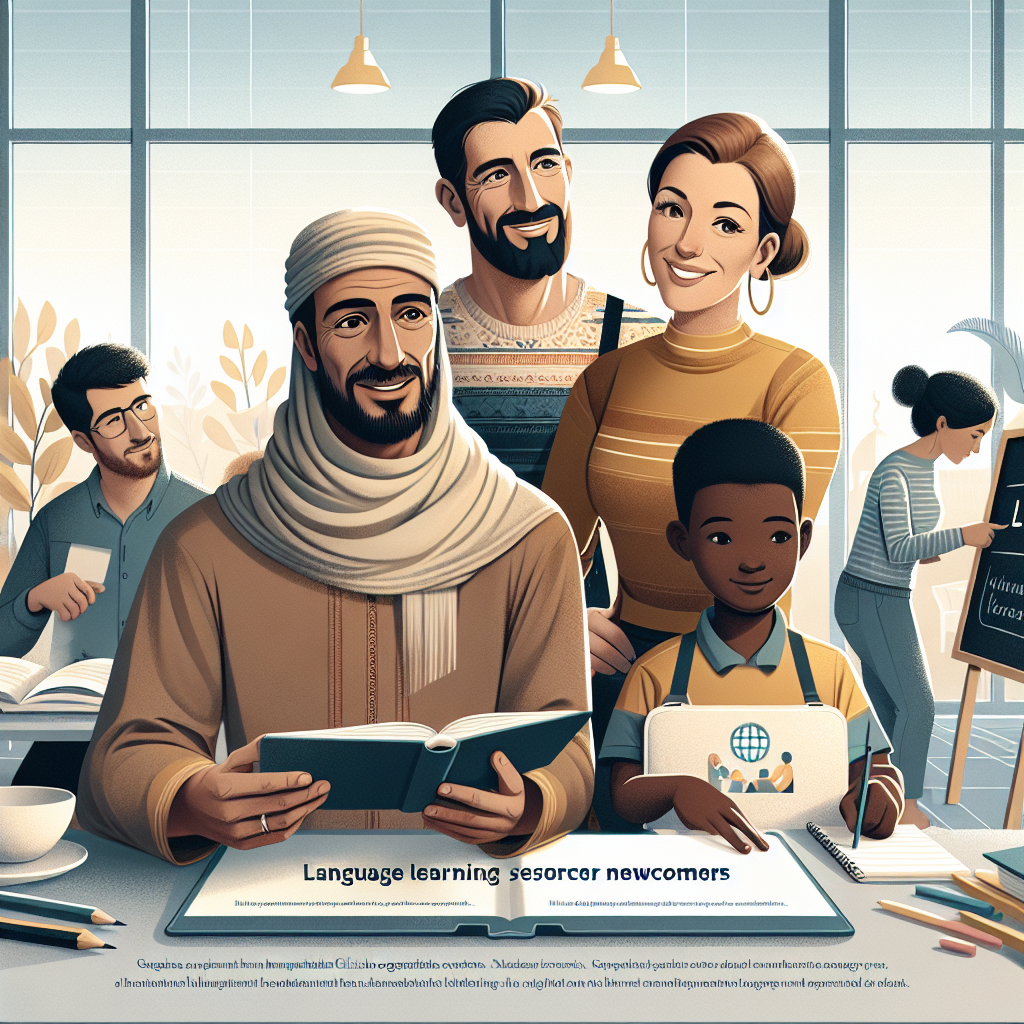
Refugees often face several challenges, including language barriers, cultural differences, and bureaucratic hurdles. Understanding these challenges and preparing for them can help reduce anxiety.
Available Support
In Europe, various organizations provide assistance to refugees. These organizations offer a range of services, including legal advice, psychological support, and language education. Some of these organizations include:
- The United Nations High Commissioner for Refugees (UNHCR)
- Local and international non-governmental organizations (NGOs)
The Role of Faith and Community
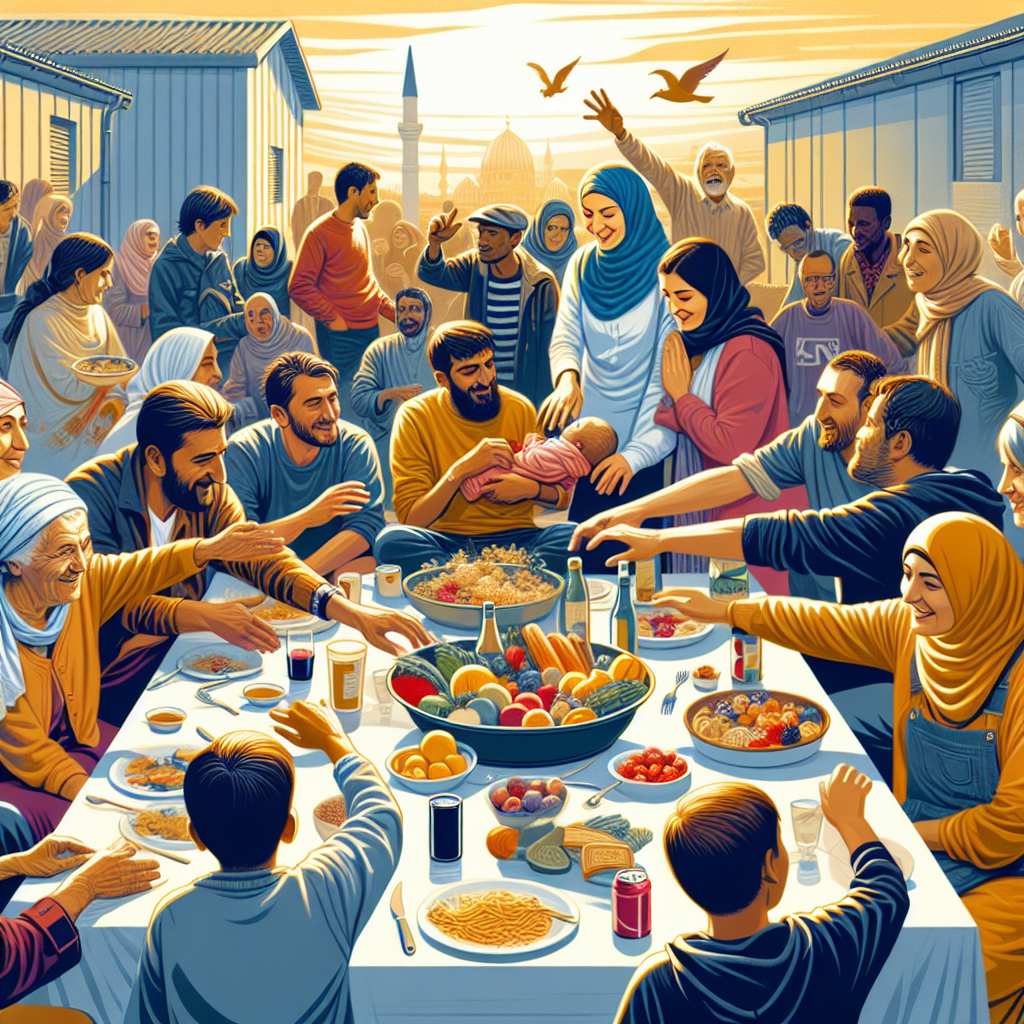
Faith can play a significant role in strengthening the hope and spirit of refugees. Additionally, building social networks and connecting with local communities can help refugees feel a sense of belonging and support.
Conclusion
Despite the complexities and challenges present in the asylum process, with hope and support, it is possible to navigate this journey successfully. Our goal in this article was to provide information and boost your morale so you can look to the future with more optimism.