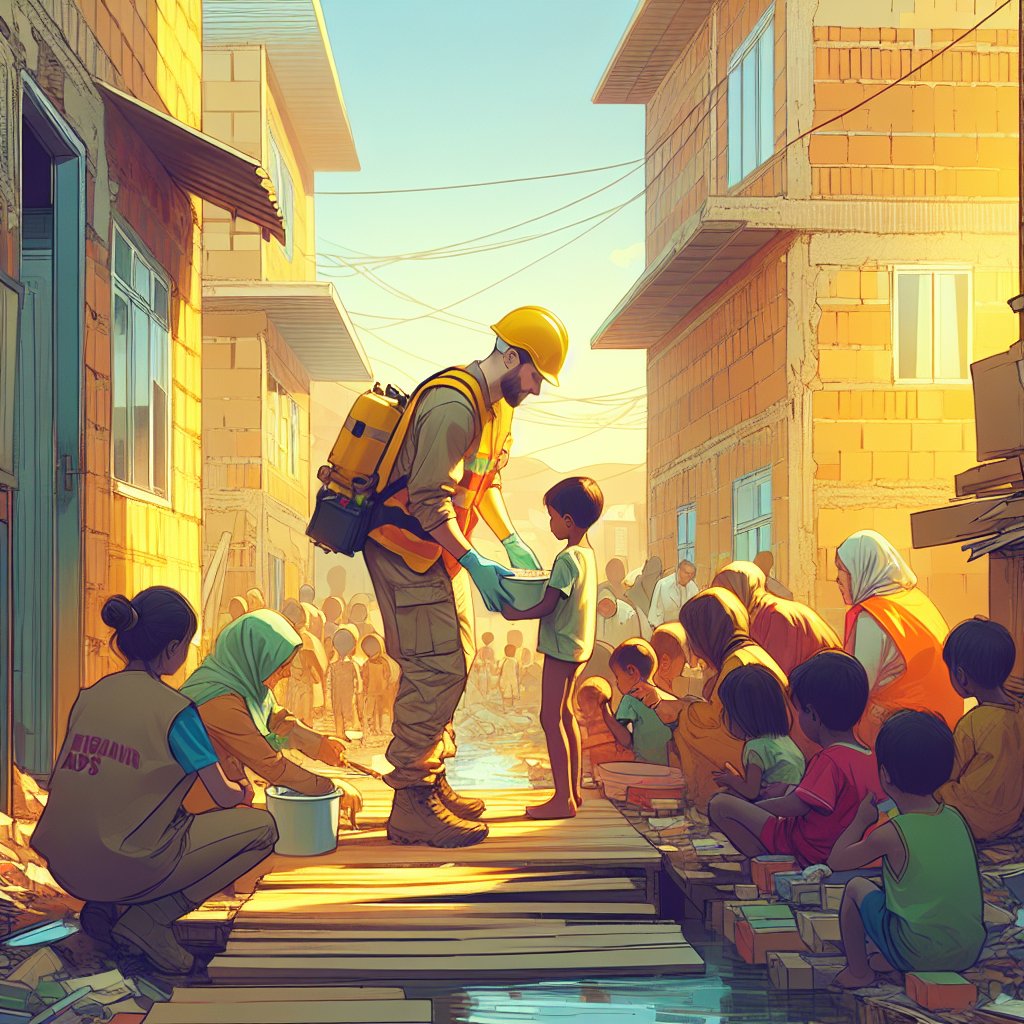


The Importance of Sustainability in Humanitarian Aid
In a world where the number of refugees is continually rising, it is crucial that humanitarian aid approaches are designed to not only meet immediate needs but also to positively impact the long-term future of these individuals. Sustainability in humanitarian aid means creating solutions that enable refugees to achieve independence and self-sufficiency.
The Role of Education and Skills Training
Education and skills training are among the most important ways to help refugees start anew. By offering vocational and technical courses, refugees are given the opportunity to acquire the skills necessary to enter the workforce. This not only helps them attain financial independence but also contributes to the economy of host communities.
Psycho-social Support
Refugees often face experiences that have profound impacts on their mental health. Providing psycho-social support helps them confront the challenges ahead and return to normal life. Counseling groups, support sessions, and access to therapeutic services are some of the ways to be helpful in this area.
Strengthening Local Communities
Another important aspect of sustainable approaches is strengthening local communities. By creating joint projects between refugees and host community members, social bonds can be reinforced and tensions reduced. These projects can include cultural, sports, and economic activities that benefit everyone in the community.
Conclusion
Sustainable aid approaches for refugees not only help them overcome current crises but also assist in building an independent and hopeful future. By focusing on education, psycho-social support, and strengthening local communities, we can help create a better world for everyone.